

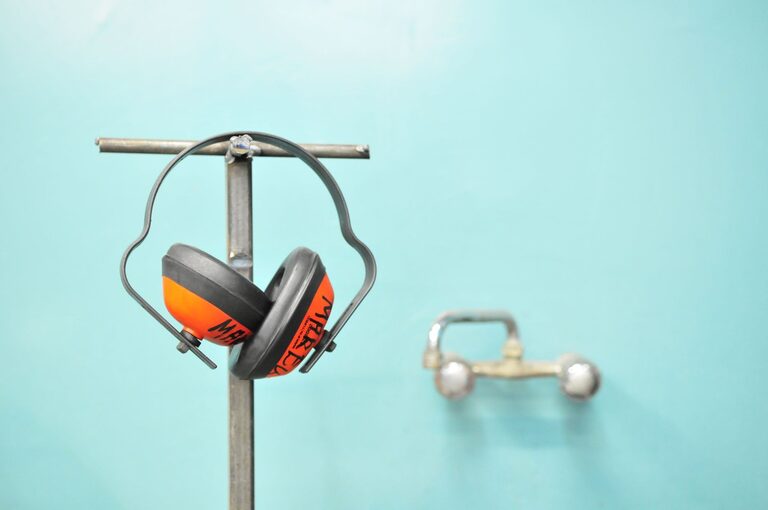
Creating a quiet and peaceful home is important for relaxation, productivity, and overall well-being. Whether you live in a busy neighborhood, have noisy neighbors, or simply want to reduce everyday sounds inside your house, there are simple ways to reduce noise at home without major renovations. This guide will walk you through practical, affordable, and easy-to-implement ideas to help bring calm and quiet to your living space.
Understanding Noise Sources in Your Home
Before tackling noise reduction, it helps to identify common noise sources inside and outside your home. Common culprits include:
– Traffic, construction, or street noise from outside
– Noisy appliances like washing machines, dishwashers, or HVAC systems
– Footsteps and voices from other rooms or floors
– Electronics such as televisions, computers, or speakers
– Pets or children playing loudly
Once you know where most noise comes from, you can focus your efforts on addressing the biggest issues.
Simple Ways to Reduce Noise Inside Your Home
1. Add Soft Furnishings to Absorb Sound
Hard surfaces reflect sound waves, making noise travel more easily. Soft materials help absorb sound and reduce echo.
– Use thick curtains or drapes on windows.
– Add rugs or carpets to hardwood or tile floors.
– Place upholstered furniture like couches and armchairs in active areas.
– Use pillows and cushions as both decor and sound absorbers.
2. Use Door Sweeps and Weatherstripping
Doors can let in or leak noise from other rooms or outside.
– Install door sweeps at the bottom to block gaps.
– Use weatherstripping around door frames to create a tighter seal.
– For interior doors, consider heavier or solid-core doors which block sound better than hollow ones.
3. Apply Acoustic Wall Panels or Art
If your walls are bare, sound can bounce around and amplify.
– Hang acoustic panels designed to absorb sound.
– Alternatively, use large fabric wall hangings or tapestries.
– Bookcases filled with books can also help dampen noise when placed against noisy walls.
4. Organize and Declutter
Cluttered rooms can sometimes make sound bounce in unpredictable ways, adding to noise. Keeping spaces tidy can reduce this effect.
5. Rearrange Furniture
Placing large pieces of furniture against shared walls or near noise sources helps block or absorb sound.
– For example, put a bookshelf against a wall facing a noisy street.
– Position couches and chairs away from loud appliances.
Reducing Noise From Appliances and Electronics
1. Maintain Appliances Regularly
Noisy appliances often become louder when filters are dirty or parts need repair.
– Clean and service HVAC units, fans, and kitchen appliances regularly.
– Place washing machines and dryers on vibration-absorbing pads.
2. Use Noise-Reducing Mats and Pads
– Place anti-vibration pads under appliances to minimize noise and shaking.
– Use rubber coasters or pads under speakers or computers.
3. Manage Volume and Timing
– Keep TV and music volumes at moderate levels.
– Use headphones if others are studying or sleeping.
– Avoid running noisy appliances late at night.
Blocking Outdoor Noise
1. Seal Windows and Doors Properly
Windows are a common source of noise leakage.
– Use double-glazed or laminated glass windows for better sound insulation.
– Apply weatherproof seals and caulking around window frames.
2. Plant Trees and Shrubs
Landscaping with thick bushes or trees near windows and doors can help absorb outdoor noise.
3. Build Barriers
If possible, fences or walls can block or reflect some street noise.
– Use materials like wood, concrete, or stone for better sound blocking.
– Incorporate sound-absorbing plants along the barrier.
Creating Quiet Zones
Designate specific rooms or corners as quiet zones where noise is minimized.
– Keep these areas free from noisy electronics and appliances.
– Use noise-absorbing furniture and rugs.
– Consider a white noise machine to mask sporadic sounds.
Additional Tips and Considerations
– Use rugs in hallways to reduce footsteps.
– Close doors to noisy rooms when possible.
– Use thick bed linens and drapes in bedrooms to improve sleep quality.
– Consider soundproof curtains or blinds if street noise is severe.
Conclusion
Reducing noise at home doesn’t have to be complicated or expensive. By adding soft furnishings, sealing gaps, maintaining appliances, and using creative placement of furniture and barriers, you can significantly lower unwanted sounds. A quieter home promotes better focus, rest, and peace of mind, making these simple steps well worth the effort.
Start with the easiest changes and see how they improve your environment. Over time, you can experiment with additional solutions that fit your lifestyle and budget. Enjoy the calm of a quieter home!