

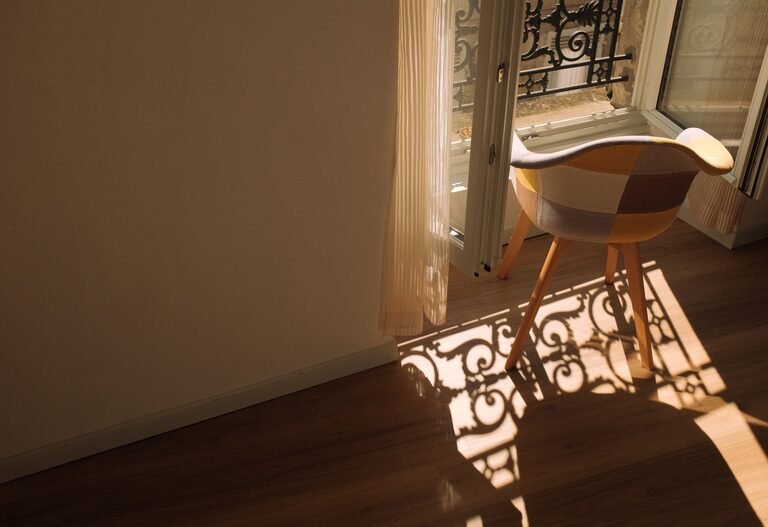
A dark room can feel small, gloomy, and uninviting, but brightening it up doesn’t have to mean a major renovation. Whether you’re dealing with limited natural light, dark walls, or heavy furniture, there are many quick and effective ideas to make your space feel lighter, airier, and more cheerful. In this article, we’ll explore practical tips and creative solutions that brighten a dark room without breaking the bank.
Why Brighten a Dark Room?
Light influences mood, productivity, and how spacious a room feels. A brighter room can make you feel more energized and comfortable, and it often enhances the overall aesthetic of your home. Thankfully, with some clever tweaks, you can drastically improve the lighting and atmosphere.
—
1. Maximize Natural Light
Clean Windows and Remove Obstructions
Start with the basics: clean your windows inside and out to let in the maximum amount of sunlight. Trim trees or bushes that might block light from entering and avoid heavy curtains or blinds that create shadows.
Use Light, Sheer Curtains
If privacy is a concern, choose sheer curtains in light colors. They soften the light without blocking it, allowing natural daylight to filter through gently.
—
2. Choose Light Colors for Walls and Decor
Paint Walls in Light Shades
Dark walls absorb light, making the room feel smaller and dimmer. Consider painting walls in whites, pastels, or other light neutral tones like cream, soft grey, or pale blue. These colors reflect light and open up the space.
Light-Colored Furniture and Accessories
Opt for furniture with light upholstery or finishes. Add cushions, rugs, and throws in bright or pastel hues to create contrast against darker elements.
—
3. Add Reflective Surfaces
Mirrors Amplify Light
Mirrors are a classic way to brighten a room. Position a large mirror opposite or near a window to reflect natural light throughout the space. Even smaller mirrors or mirrored furniture can help distribute light effectively.
Glossy or Metallic Finishes
Incorporate decor and furniture with glossy surfaces, glass, or metallic accents like gold, silver, or chrome. These can catch and bounce light around the room.
—
4. Upgrade Artificial Lighting
Layer Your Lighting
Avoid relying on a single overhead light. Use a mix of task lighting (table lamps, desk lamps), ambient lighting (floor lamps, ceiling fixtures), and accent lighting (LED strips, spotlights) to illuminate different parts of the room.
Choose Bright, Warm LEDs
Replace dim or yellow bulbs with brighter LED bulbs that offer warm white light (2700-3000 Kelvin). LEDs are energy-efficient and create a welcoming glow without harshness.
Use Smart Lighting
If budget allows, smart bulbs let you adjust brightness and color temperature with ease, so you can customize your lighting based on the time of day or mood.
—
5. Declutter and Rearrange
Less Is More
A cluttered room can feel cramped and darker. Remove unnecessary items, organize shelves, and keep surfaces clear.
Move Furniture Away from Windows
Avoid blocking light sources with large pieces of furniture. Arrange seating and tables to allow light to flow freely into the room.
—
6. Incorporate Plants and Natural Elements
Add Greenery Near Light Sources
Plants can brighten a room by adding color and freshness. Place them near windows or well-lit areas. Choose plants that thrive indoors with low to medium light.
Use Natural Materials
Wood, rattan, and light-colored linens create a natural vibe that complements bright, airy spaces.
—
7. Use Light-Enhancing Decor Items
Light-Colored Rugs and Throws
A light rug can brighten the floor area, especially in rooms with dark flooring. Soft throws in bright shades on sofas or chairs can add pops of color.
Art and Wall Decor
Choose wall art with light backgrounds or colorful prints. Avoid heavy, dark-framed pictures that absorb rather than reflect light.
—
8. Consider Window Treatments and Doors
Glass Doors and Partitions
If privacy allows, replacing a solid door with a glass or frosted glass door can let light pass through adjoining rooms.
Open Up Passages
Remove or widen doorways to connect a dark room with brighter adjacent spaces, increasing the flow of light.
—
Final Thoughts
Brightening a dark room is all about enhancing the light you have and making smart choices with colors, furniture, and lighting. Many of these ideas are easy and affordable to implement, giving your space an instant lift and making it more enjoyable to spend time in. Start with one or two changes and see how much difference a little extra light can make!
—
By combining several of these strategies, you can transform even the darkest room into a bright, welcoming, and cheerful space. Happy decorating!