

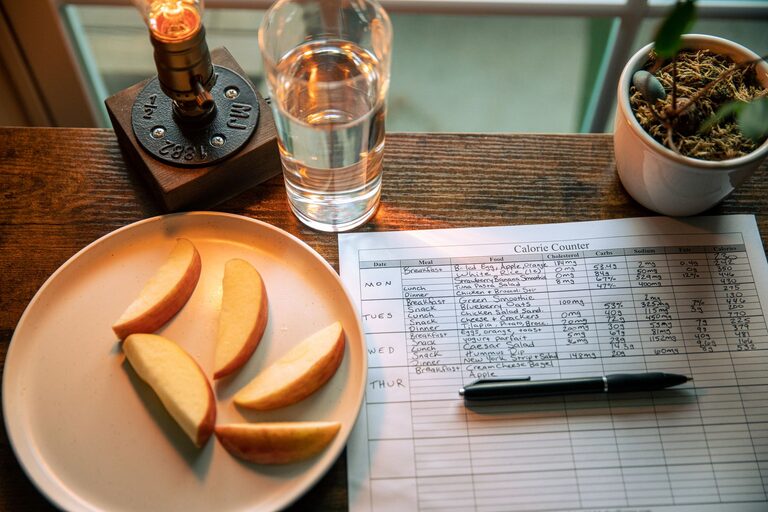
Planning balanced meals doesn’t have to be overwhelming or time-consuming. With a few simple strategies, you can create nutritious, satisfying meals that support your well-being without added stress. In this guide, we’ll explore practical tips for meal planning, grocery shopping, and cooking that anyone can follow.
Why Balanced Meals Matter
Balanced meals provide your body with essential nutrients—carbohydrates, proteins, fats, vitamins, and minerals—that help maintain energy, support immune function, and promote overall health. When meals are well-rounded, they keep you full longer, stabilize blood sugar levels, and contribute to a positive relationship with food.
Step 1: Understand the Basics of a Balanced Plate
A balanced meal usually includes:
– Vegetables: Aim for half your plate to be filled with vegetables and fruits. They’re rich in fiber, vitamins, and antioxidants.
– Proteins: Include lean protein sources like chicken, fish, legumes, tofu, or eggs to support muscle repair and satiety.
– Whole Grains: Choose whole grains such as brown rice, quinoa, or whole wheat bread for sustained energy.
– Healthy Fats: Incorporate moderate amounts of healthy fats from nuts, seeds, avocado, or olive oil.
– Fluids: Don’t forget to drink water or other healthy beverages alongside your meals.
Step 2: Keep It Simple and Flexible
Trying to follow complicated recipes or strict diet rules can make meal planning stressful. Instead:
– Stick with familiar ingredients and dishes you enjoy.
– Allow for flexibility—meals don’t need to be perfect.
– Use versatile ingredients that work in multiple recipes.
For example, roasted chicken can be used in salads, sandwiches, or paired with different vegetables and grains.
Step 3: Plan Ahead with a Weekly Menu
Creating a weekly meal plan can save you time and mental energy.
– Set aside 15–30 minutes each week to draft your menu.
– Choose 3–4 dinner options, and plan lunches and breakfasts around simple, nutritious staples.
– Include leftovers to reduce cooking time on busy days.
– Make a grocery list based on your plan to avoid impulse buys.
Step 4: Shop Smart and Stock Your Pantry
Having a well-stocked pantry helps you prepare balanced meals quickly.
Essentials to keep on hand:
– Whole grains: brown rice, oats, quinoa, whole wheat pasta
– Canned or dried beans and lentils
– Nut butters and nuts
– Frozen vegetables and fruits
– Herbs and spices for flavor
– Healthy oils like olive or avocado oil
Buying seasonal produce can also be more affordable and flavorful.
Step 5: Prep Ingredients to Save Time
Food prep is a great way to minimize stress during the week.
– Wash and chop vegetables in advance.
– Cook grains or proteins in batches.
– Portion snacks and meals into containers.
– Use simple cooking methods like roasting, steaming, or stir-frying.
Prepping ingredients ahead means fewer decisions and quicker meal assembly later.
Step 6: Listen to Your Body and Preferences
Balanced meal planning isn’t about perfection; it’s about what works for you.
– Pay attention to hunger and fullness cues.
– Adjust portion sizes according to your energy needs.
– Incorporate favorite foods to make meals enjoyable.
– Don’t feel guilty about occasional treats or flexible eating.
Sample Balanced Meal Ideas
To get you started, here are a few easy ideas that include all major food groups:
– Grilled salmon, quinoa, and steamed broccoli
– Chickpea stir-fry with colorful peppers and brown rice
– Omelet with spinach, tomatoes, and whole-grain toast
– Lentil soup with mixed vegetables and side salad
– Veggie-loaded pasta with olive oil and a sprinkle of cheese
Final Thoughts
Planning balanced meals without stress is achievable with a little organization and a focus on simplicity. By understanding what makes a balanced plate and preparing ahead, you can enjoy healthy, tasty meals every day without feeling overwhelmed. Remember, the best meal plan is one that fits your lifestyle and leaves you feeling satisfied and energized. Happy eating!